
If you enjoy working with people, thrive in fast-paced environments, and have ever dreamed of a career in international hotels, Germany's Hotelfachmann/-frau Ausbildung might be the most practical route into that world. It combines paid, structured training with a recognised professional qualification, and Germany's hospitality sector genuinely needs the extra hands.
What Does a Hotelfachmann/-frau Do?
A Hotelfachmann (male) or Hotelfachfrau (female) is a trained hotel specialist who works across nearly every department of a hotel operation. Day-to-day responsibilities typically include:
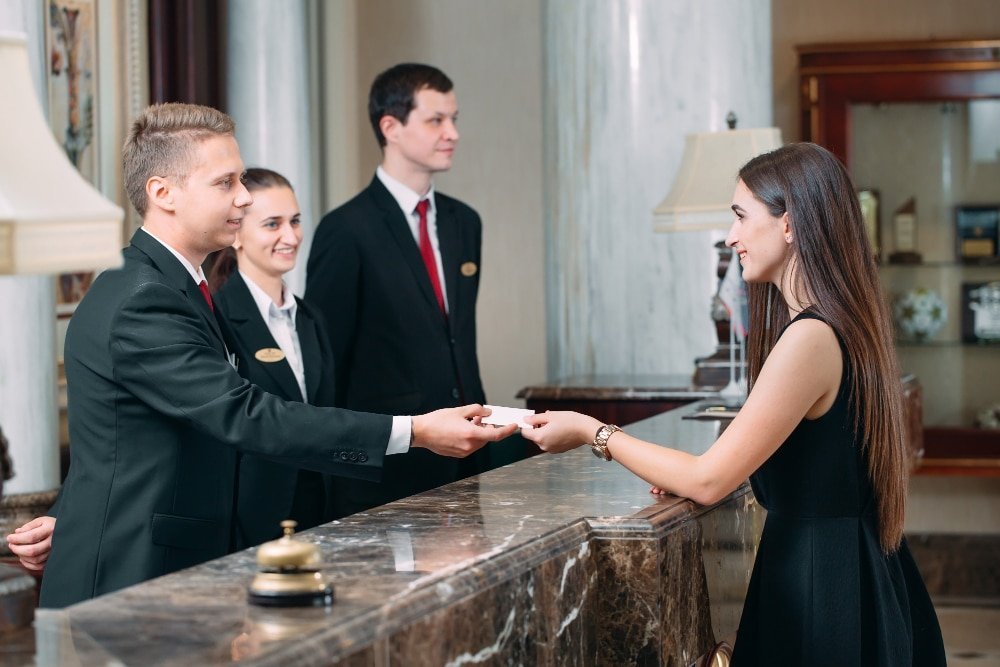
- Guest reception, check-in/check-out, and reservations management
- Restaurant and banquet service, including table setting and order-taking
- Front-office administration, invoicing, and room planning
- Coordination with housekeeping, kitchen, and events teams
- Handling guest requests and complaints professionally
Since a training-regulation update in August 2022, the curriculum also weaves in sustainability practices, digitalisation of hotel operations, and event management: reflecting how the industry itself has evolved.
Duration & Structure
The Ausbildung follows Germany's dual system and typically runs for three years, split between practical, paid work at a training hotel and theoretical instruction at a vocational school (Berufsschule). This "learn while you earn" model is what makes German Ausbildung distinctive compared to classroom-only hospitality courses elsewhere.
Entry Requirements
There's no single fixed academic threshold set nationally, but in practice most training hotels look for candidates who have completed the equivalent of a secondary school certificate (Mittlerer Schulabschluss), along with genuine interest in guest service. For international applicants, a solid grip on German, generally at least B1, with many employers preferring B2, is essential, since vocational school instruction and daily guest interaction both happen in German.
Pay Under DEHOGA Collective Agreements
Training pay in the hospitality sector is set through regional collective agreements negotiated by DEHOGA (the German Hotel and Restaurant Association) together with trade unions, so exact figures vary by federal state. As an indicative range for 2025/2026, published state-level agreements (for example in North Rhine-Westphalia) show trainee pay rising through the three years: roughly in the €1,100–€1,400 per month range, with most regions applying scheduled increases through 2025 and into 2026. Because these figures are negotiated regionally and revised periodically, it's worth checking the specific Tarifvertrag for the state where you plan to train.
Why Germany's Hospitality Sector Is Hiring Internationally
Germany's hotel and restaurant industry has been openly vocal about its staffing gap, with tens of thousands of vacancies reported across front office, housekeeping, service, and kitchen roles in recent years. International trainees have become central to keeping the pipeline of new hospitality talent alive: reports indicate that a large and growing share of new training contracts in the sector are now signed by foreign nationals, a trend the industry itself credits with preventing a sharper decline in overall training numbers. In short: this is a sector actively opening its doors to motivated international candidates, not one grudgingly tolerating them.
Career Prospects
Completing the Ausbildung is a launchpad, not an endpoint. Graduates can move into department head or shift-supervisor roles, pursue further qualifications such as Hotelbetriebswirt/-in or Fachwirt/-in im Gastgewerbe, or continue toward hotel management studies. Germany's tourism sector, buoyed by strong annual overnight-stay numbers, continues to offer long-term paths into hotel management, event planning, and international hospitality chains.
Why Kerala Students Are a Great Fit
Kerala already has a strong hospitality and tourism education ecosystem, from hotel management institutes to a state economy built partly on tourism. Students from this background often arrive with a head start in service orientation, multilingual comfort, and cultural adaptability, all of which translate well into the guest-facing, detail-driven world of German hotels. What's usually missing is structured guidance on the German language requirement and the Ausbildung placement process, which is exactly where a dedicated partner like Caspia Overseas Studies can help, offering German language training and end-to-end guidance for students pursuing Ausbildung placements in Germany.
Quick FAQ
Do I need to already speak German to apply?
Not on day one, but you'll need to reach at least B1 (often B2 preferred) before starting the Ausbildung, since vocational school and guest interactions are conducted in German: most candidates build this up through structured language courses before applying.
Is the Hotelfachmann/-frau Ausbildung paid?
Yes. Unlike many hospitality diploma programs, this is a paid apprenticeship under DEHOGA's regional collective agreements, with pay increasing each year of the three-year program alongside free or subsidised vocational schooling.
What can I do after finishing the Ausbildung?
Graduates can work directly in hotels, restaurants, or event venues, move into supervisory roles, or pursue further qualifications like Hotelbetriebswirt/-in to progress toward hotel management positions.